

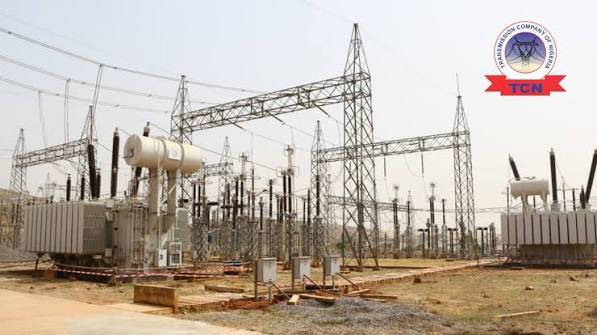
The Transmission Company of Nigeria, TCN, says it has a simulated transmission network capacity of over 8,700 megawatts, with over 8,500MVA transformation capacity to convey electricity to distribution companies.
The company said the 8,700MW figure is based on static simulation and has not yet been physically tested, adding that additional capacity has been added to the network in the past six months.
The Deputy Director of TCN, Oluwagbenga Ajiboye made this disclosure at a three day Workshop for Energy Correspondents in Keffi Nasarrawa State North Central Nigeria, with the theme “Assessing the impact anf challenges of Transmission Network in Nigeria.”
Commenting on the performance of the transmission sector in the past year, Ajiboye said the company successfully wheeled a record 5,801.84 Megawatts across the national grid in 2025, indicating the network’s capacity to handle higher levels of electricity.
He however, identified the ability of distribution companies to take available power as one of the major constraints facing the sector.
The Director said that DisCos often complain that the available transmission capacity is not where they need power, stressing the need for more investment in distribution infrastructure to ensure electricity gets to the consumers.
Read Also: ICPC Recommends Sanctions Against 13 Officials Over Alleged Fake Agency
He also said that TCN had added about 89 power transformers to the national grid during the period under review, improving transformation capacity and strengthening bulk power supply to distribution load centers.
“Major projects are the addition of 300MVA capacity at Katangwe, which increased the capacity of the substation from 450MVA to 750MVA, and another 300MVA transformer that was commissioned and loaded in Abuja,” he said.
He further disclosed that a 300MVA transformer has been commissioned in Benin and a 75MVA transformer in Ebonyi State has been completed and put into service.
The TCN official said that the company was also expanding transmission infrastructure to less-developed areas, arguing that electricity must come first, rather than waiting for population and businesses to come first before infrastructure is provided.
He said government and development partners remained key to financing such projects because of the huge capital requirements involved in generation, transmission and distribution.
“In the last year, we have mobilized about $1.4 billion in multilateral and development financing for TCN expansion program with the support of institutions like the World Bank, African Development Bank, JICA and French Development Agency,” Ajiboye said.
He said TCN was also investing in rehabilitation, maintenance and redundancy to enhance the reliability and resilience of the transmission network.
