

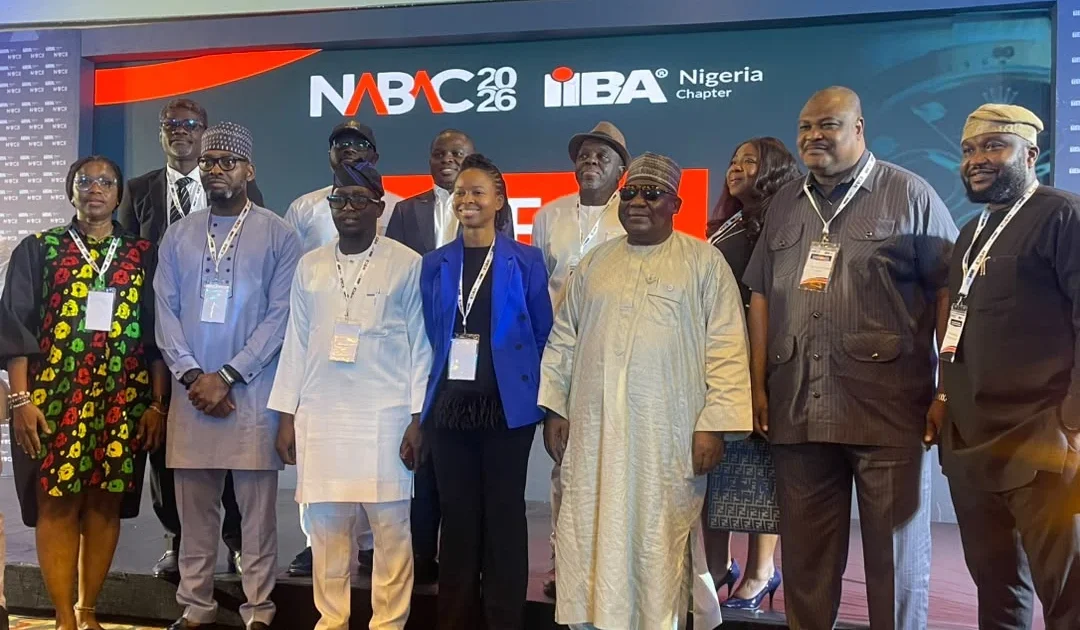
Digital reforms in Nigeria’s public sector are strengthening financial accountability, improving government expenditure tracking, and helping curb payroll fraud, the Director-General of the Bureau of Public Service Reforms, Dr Dasuki Arabi, said.
Arabi spoke on Friday in Lagos at the 2026 Nigeria Annual Business Analysis Conference, organised by the International Institute of Business Analysis Nigeria Chapter.
The official identified the Integrated Personnel and Payroll Information System, the Government Integrated Financial Management Information System, and the Bank Verification Number as key tools supporting efforts to improve transparency and reduce corruption in public administration.
According to him, the reforms were designed to improve public financial management, reduce the cost of governance, and limit administrative inefficiencies.
Explaining the impact of IPPIS, which manages the payroll and records of public servants, Arabi said the platform had enabled the government to monitor employee records and identify irregularities, including multiple salary payments.
“With IPPIS, once you have a number, I cannot get any money paid to me using that number on that platform,” he said, explaining how the system helps prevent individuals from receiving multiple salaries from different government institutions.
He added that the platform provided access to real-time information on public servants, including their employment and retirement records.
The BPSR chief also highlighted GIFMIS, which links government institutions and service providers to a central financial management system, as another major reform for improving expenditure controls.
Under the system, contractors seeking government payments must meet their tax obligations and provide relevant corporate information to the Corporate Affairs Commission. The platform also facilitates checks on company directors and shareholders flagged by anti-corruption agencies.
Arabi said the system had made it possible for government institutions to monitor public expenditure as transactions occurred, rather than relying solely on retrospective checks.
“Before, if monies are allocated to the Minister of Trade, nobody knows what they are doing with the funds.” Now, as you are spending, CBN is seen, the Accountant-General is seen, and the President is seen,” he said.
He added that civil society organisations could also scrutinise government allocations and spending through information available on the system.
The director-general identified the BVN as another instrument supporting anti-corruption efforts by making it easier to identify suspicious financial transactions and trace financial activities.
“The essence of that is to fight corruption, and even if we have not stopped it 100 per cent, at least people are conscious that somebody is watching,” he said.
Despite the gains from digitalisation, Arabi said weaknesses in policy development and implementation remained a major challenge in the public service.
He argued that public servants needed to understand that policy development was a core responsibility of government institutions and that public projects should be assessed based on their wider economic, environmental and social consequences.
“One of the core functions of public service is to develop policies. And we don’t understand what policy development is?” he said.
He also raised concerns about declining public confidence in government institutions, attributing part of the problem to inadequate engagement with citizens in policy formulation and public service delivery.
“Loss of confidence, lack of confidence, is a big challenge, is a big problem. They do not support us, they don’t like us, they don’t want to work with us,” Arabi said.
He said the bureau was also pushing for a performance-driven public service in which officials would be assessed against measurable targets.
According to him, ministers had signed performance agreements with the president and were expected to extend the arrangement to heads of government agencies and other officials.
“Now you have KPIs. KPIs are worked with central agencies to make sure that every ministry has its own KPIs,” he said.
The conference, convened by the President of the IIBA Nigeria Chapter, Temitope Shofule, focused on policy, innovation, and artificial intelligence as tools for economic transformation and attracted professionals from different sectors.
